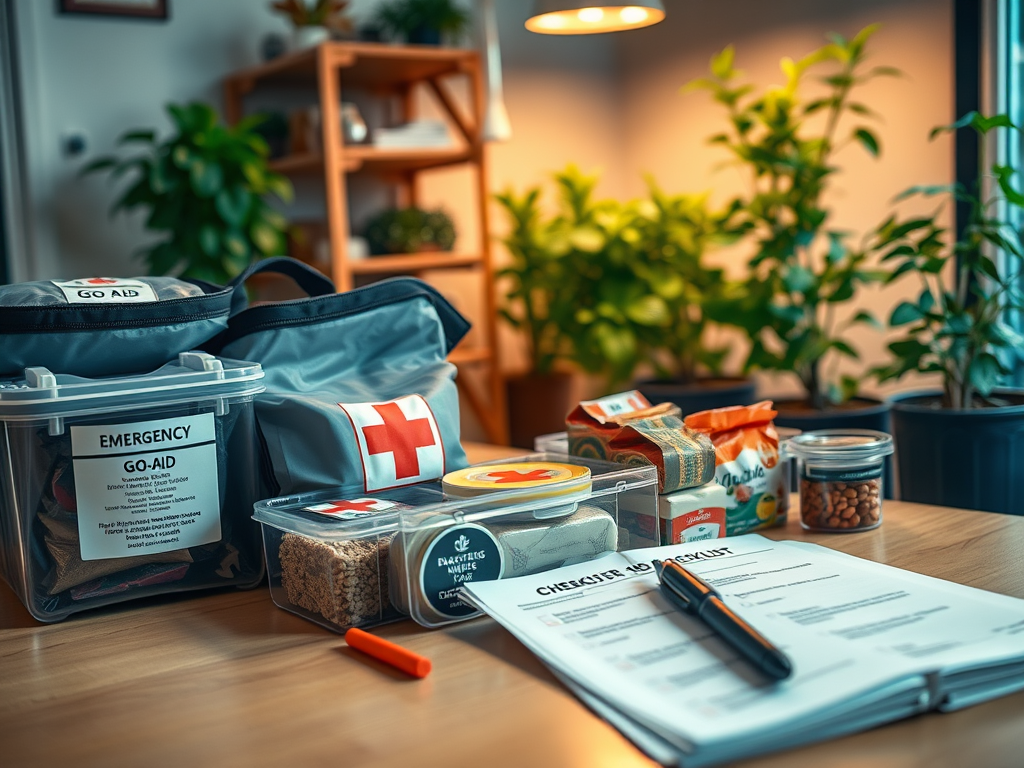
My family is planning on getting ready for emergency situations. We are so fortunate to have many things in place, including a grow room and winter outdoor garden that will produce fresh produce during the super cold months. We want to fine tune our efforts, and I will be helping them do that. Knowing how to find wild edibles and cultivate them during the winter is also a very useful skill that I can share. Stored food, water, and so many other details are in place. But a check list is very helpful
I consulted Grok, an AI helper. about how I could best support me in help my family and clients in emergency preparedness. I can do all the things stated in this article. I offer a free 1/2 hour discovery call where we can explore whether or not I can be of service. Of course, I do all kinds of other organizing jobs which you can find out about on this blog.
When disaster strikes, preparation makes all the difference. As professional organizer I can help you protect what matters most.
I have developed practical strategies for preparing for natural disasters such as tornadoes, floods, hurricanes, and fires. I’ll help create effective emergency plans, identify essential items, and implement systems that give peace of mind before, during, and after a crisis.
I’ll support you to take action when it matters most.
How I can help:
1. Initial Assessment and Consultation
- Evaluate the client’s home, lifestyle, and specific risks based on location.
- Identify existing resources, such as current storage systems, emergency supplies, and family needs (e.g., pets, elderly members, or children).
- Discuss the client’s goals, budget, and timeline to create a customized preparedness plan.
2. Developing a Comprehensive Emergency Plan
- Collaborate on creating or refining an evacuation plan, including routes, meeting points, and communication strategies for each emergency type.
- Organize digital and physical copies of key documents (e.g., insurance policies, medical records, IDs) in waterproof, accessible containers or cloud storage.
- Tailor plans to specific threats:
- Tornados: Focus on quick-access safe rooms or basements, with organized supplies for immediate sheltering.
- Floods: Emphasize elevation of valuables and creation of barriers or sump pump systems.
- Societal Breakdown: Plan for long-term self-sufficiency, including alternative communication methods (e.g., radios), bartering systems, and home fortification against potential unrest.
3. Building and Organizing Emergency Kits
- Assemble or upgrade “go-bags” and home kits with essentials like water, non-perishable food, first-aid supplies, flashlights, batteries, and medications.
- Categorize and label items for easy access (e.g., using clear bins, color-coding, or checklists).
- Customize kits for different scenarios:
- Tornados: Include helmets, sturdy shoes, and weather radios for short-notice sheltering.
- Floods: Add life jackets, waterproof bags, and elevation tools for valuables.
- Societal Breakdown: Incorporate long-shelf-life food rations, water purification tools, multi-tools, cash in small denominations, and basic defense items like locks or alarms.
4. Home Organization for Risk Mitigation
- Declutter and reorganize spaces to reduce hazards (e.g., securing loose items that could become projectiles in high winds).
- Set up dedicated emergency storage areas, like a “command center” closet or garage zone, with rotation systems for perishable items.
- Implement protective measures:
- Tornados: Reinforce and organize interior rooms away from windows.
- Floods: Organize basements or low areas with elevated shelving and sump pump access.
- Societal Breakdown: Secure entry points with reinforced doors/windows, organize hidden storage for valuables, and create inventory systems for stockpiled resources like fuel or medical supplies.
5. Education and Training
- Teach the client how to use organized systems, including drills for family members on accessing kits or following plans.
- Provide resources like checklists, apps, or reminders for seasonal reviews (e.g., updating supplies for potential instability periods).
- Advise on integrating technology, such as apps for weather alerts or offline maps for navigation during breakdowns in services.
6. Ongoing Maintenance and Follow-Up
- Schedule periodic reviews to update kits, replace expired items, and adjust for life changes (e.g., new family members).
- Offer virtual or in-person check-ins to ensure systems remain functional.
- Encourage integration with community resources, like local networks or mutual aid groups, for sustained preparedness during prolonged societal disruptions.

